
Introduction:
Debt consolidation is a strategy that allows you to combine multiple debts into one single loan, often with a lower interest rate. In 2026, more people are turning to debt consolidation as a way to take control of their finances, simplify their payments, and reduce interest costs. Whether you’re dealing with credit card debt, medical bills, or personal loans, debt consolidation can help you streamline your finances and get back on track. In this comprehensive guide, we’ll explore how debt consolidation works, the benefits, and how you can choose the best option for your financial situation.
1. What Is Debt Consolidation?
Debt consolidation involves taking out a new loan to pay off multiple existing debts. Instead of managing various payments with different due dates and interest rates, you’ll have a single monthly payment with a fixed interest rate. Debt consolidation can help simplify your financial life and potentially save money on interest payments.
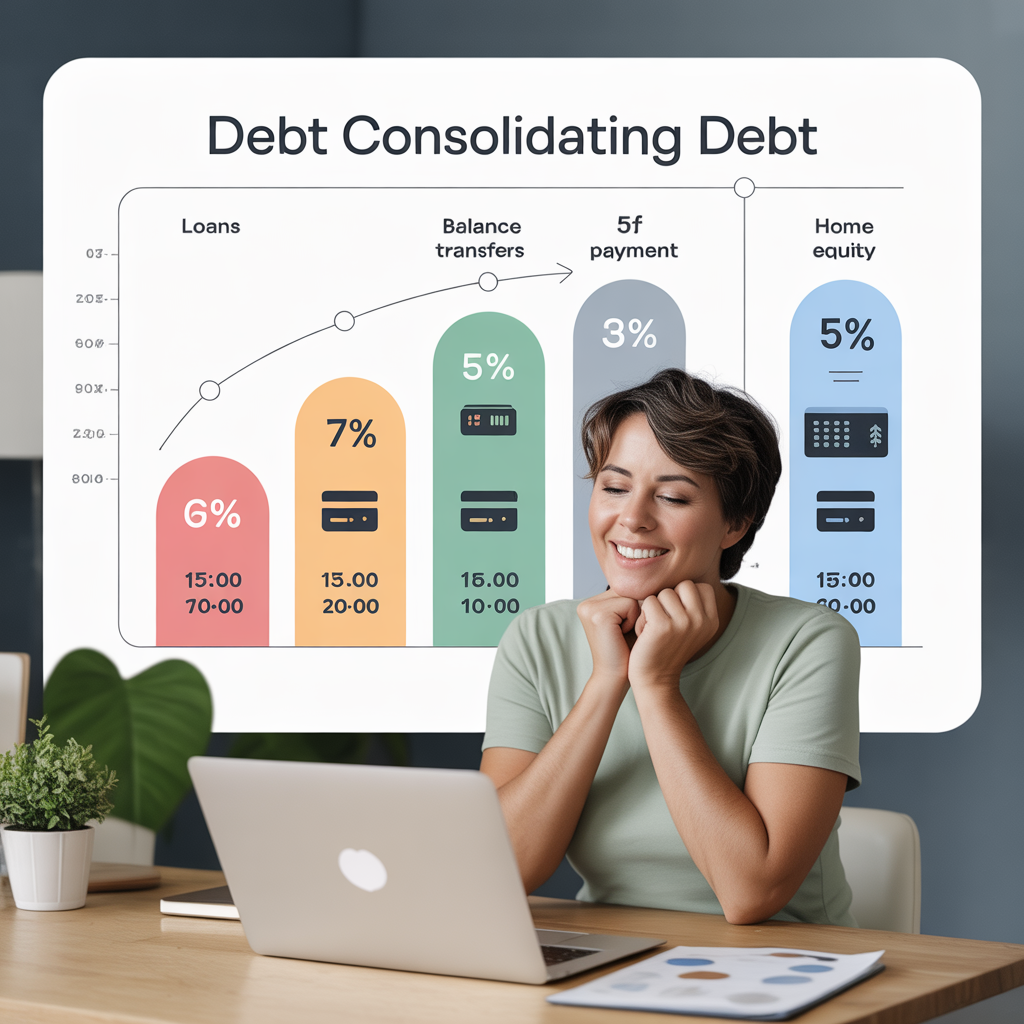
There are two common ways to consolidate debt:
- Debt Consolidation Loan: A personal loan used to pay off credit card debt or other loans.
- Balance Transfer Credit Card: A credit card that offers 0% interest for a promotional period, allowing you to transfer existing credit card balances to a new card.
2. Why Consolidate Your Debt?
Debt consolidation offers several advantages that can make it a smart choice for people struggling with multiple debts:
- Lower Interest Rates: Debt consolidation loans often come with lower interest rates than credit cards or personal loans, saving you money in the long run.
- Simplified Payments: Instead of juggling multiple payments, you’ll have one monthly payment, making it easier to manage your debt.
- Faster Payoff: By consolidating your debt and reducing interest costs, you could pay off your debt faster than if you continue making minimum payments on multiple accounts.
- Improved Credit Score: Once you’ve consolidated your debt and are consistently making timely payments, your credit score may improve over time.
3. How to Qualify for Debt Consolidation
To qualify for debt consolidation, lenders typically look at several factors:
- Credit Score: A higher credit score increases your chances of qualifying for a debt consolidation loan with a low-interest rate. However, some lenders offer consolidation options for borrowers with less-than-perfect credit.
- Debt-to-Income Ratio: Lenders will assess your income versus your existing debt to ensure you can afford the monthly payments on a new loan.
- Income Stability: Proof of steady income is often required to show that you have the ability to repay the loan.
4. Types of Debt Consolidation Options
Here are the most common options for consolidating debt:
- Debt Consolidation Loan: This is a personal loan used specifically to pay off other debts. The new loan can have a lower interest rate and fixed repayment term, making it easier to manage.
- Balance Transfer Credit Cards: A credit card that allows you to transfer balances from higher-interest cards to a card with 0% APR for an introductory period. Be mindful of the fees associated with the transfer and the interest rate that kicks in after the promotional period ends.
- Home Equity Loan or Line of Credit: If you own a home and have significant equity, you may be able to use a home equity loan to consolidate debt. While this can offer low-interest rates, it carries the risk of losing your home if you fail to make payments.
- Debt Management Plans (DMP): A DMP is a program offered by credit counseling agencies where they negotiate with your creditors to reduce interest rates and combine your payments into one monthly installment.
5. Pros and Cons of Debt Consolidation
Before you decide to consolidate your debt, it’s essential to weigh the pros and cons:
Pros:
- Lower interest rates (in many cases)
- Simplified payments
- Possible improvement in credit score
- Faster debt repayment
Cons:
- Fees (origination fees, balance transfer fees)
- Risk of extending the loan term (which may increase total interest paid)
- Risk of securing debt against your home (in the case of home equity loans)
- Not a quick fix—requires financial discipline to avoid accumulating new debt
6. How to Choose the Right Debt Consolidation Option
Choosing the right debt consolidation option depends on several factors:
- Interest Rates: Compare rates between consolidation loans, balance transfer cards, and home equity loans to determine which will save you the most money.
- Fees: Look for any fees associated with consolidating, such as balance transfer fees, loan origination fees, or closing costs.
- Repayment Terms: Consider the loan’s repayment period and whether the monthly payments are manageable within your budget.
- Credit Impact: If you’re using a balance transfer card or personal loan, ensure that you’re able to manage the debt properly to avoid damaging your credit further.
7. When to Consider Debt Consolidation
Debt consolidation may be a good option for you if:
- You’re struggling with high-interest debt from credit cards or personal loans.
- You’re unable to keep track of multiple payments and want to simplify your finances.
- You’re committed to paying off your debt and not accumulating more.
- You have a steady income and a plan to avoid new debt.
If your debts are overwhelming and you’re unsure about consolidating, consider speaking with a credit counselor or financial advisor who can help guide you through the process.
Conclusion:
Debt consolidation can be an effective way to take control of your financial situation, lower your interest rates, and simplify your monthly payments. However, it’s essential to choose the right option based on your financial goals and circumstances. By understanding the pros and cons of debt consolidation, you can make an informed decision that will help you get out of debt faster and with less stress.